
Chinese calligraphy, mehndi, origami art. Tried unusual hobbies from Asian countries
At the F.-ART.by - 2025 Republican Festival of Creativity of International Students, held at the National Center for Artistic Creativity of Children and Youth, participants from various countries conducted special master classes. Sri Lanka, China, Japan, Turkmenistan – everyone had the opportunity to experience new cultures through their traditional art forms. A BELTA correspondent found out and tried what was presented to the Belarusian public.Mehndi, India and Sri LankaThe first stop was the stand of students from Sri Lanka. A queue of people eager to try mehndi lined up around it. This is a special type of tattoo made with natural henna. The main advantage of such a drawing is that it is not permanent, lasting on the skin for a few weeks.One of the craftswomen, Dilakshi Bamunusinghe, said that mehndi is part of Indian culture. Previously, only women applied patterns to themselves, and each symbol has its own meaning. Usually, these are simple, visually symmetrical symbols. Most often, mehndi serves as a decorative element.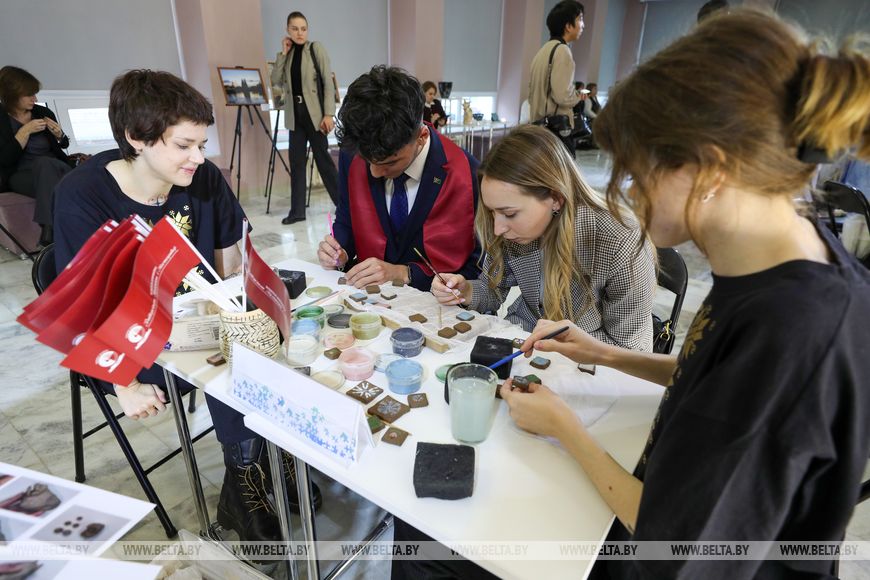
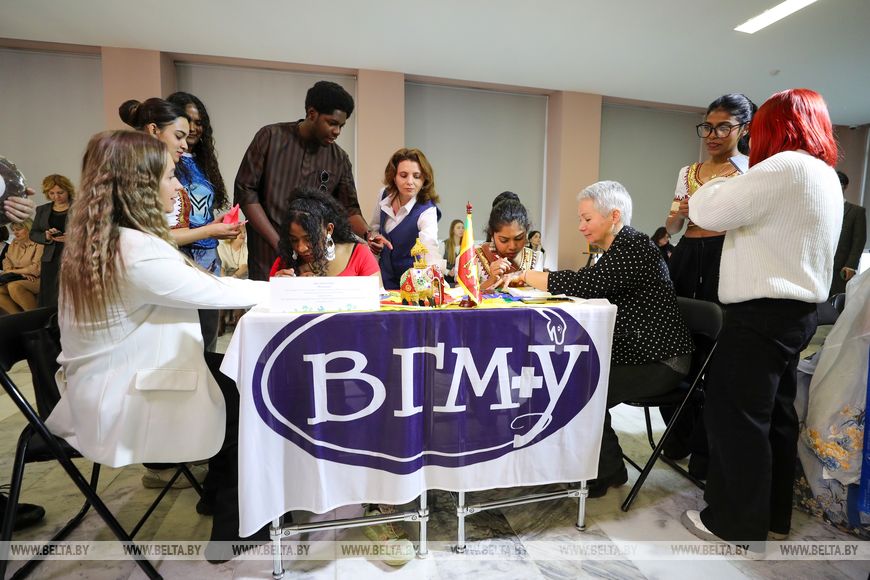
 The tattoo is applied very easily, as if with a brush. Getting such an interesting body decoration takes very little time, and the drawing remains a temporary reminder of a vibrant event. You can choose absolutely any picture from the internet, and if you wish, you can learn to do it at home.Calligraphy, China
Calligraphy is one of China's oldest arts, dating back five thousand years. It is not just the writing of symbols, but also Chinese philosophy, with each master having their own style of depiction. At the master class, several young women demonstrate the mesmerizing process of writing and invite everyone to join.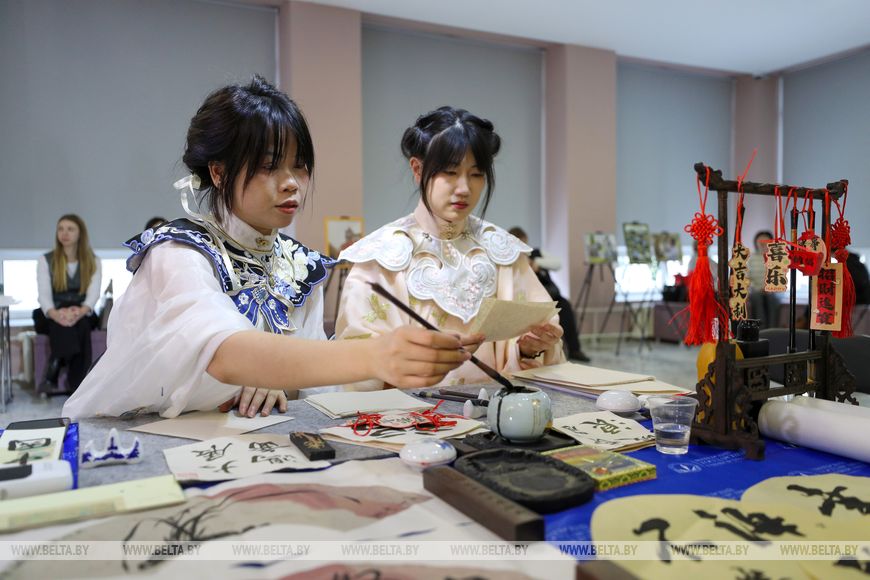
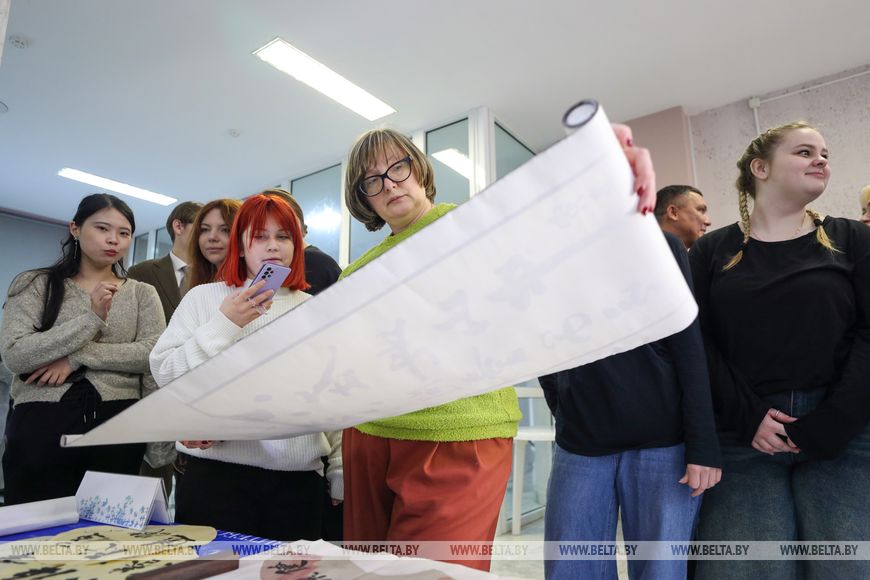 Tatyana Denisenko, Senior Lecturer of Russian as a Foreign Language, said that when Chinese students want to introduce representatives of other nationalities to their culture, they first demonstrate calligraphic art. "As a rule, calligraphers write traditional express

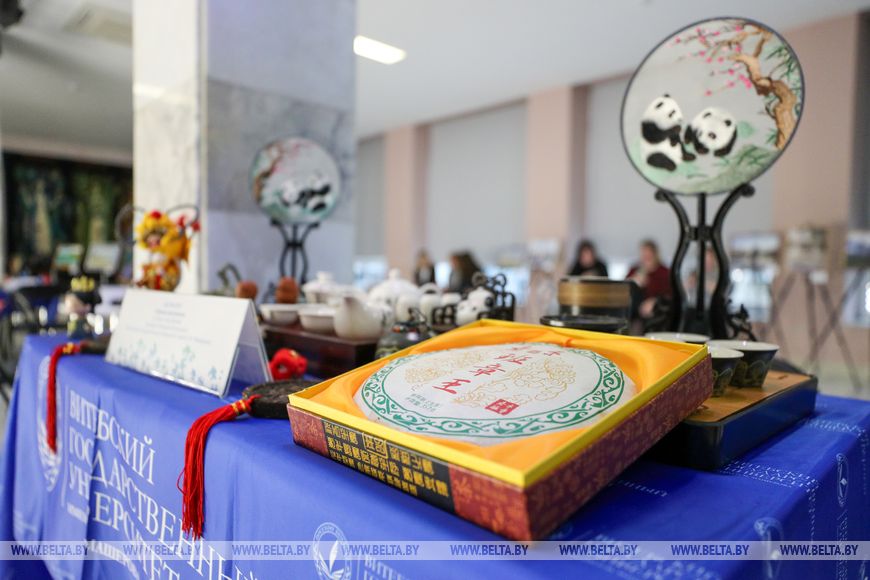 Chinese women in national costume told us what distinguishes a good calligrapher. When determining a master, the manner of writing strokes is very important. Each uses different brushes and degrees of pressure, line thickness. The girls also demonstrate their skills and write characters with special ink. Around are many examples of their creativity: on round sheets, squares, and even huge scrolls, which are shown to us unrolled. By the way, special sheets are used for calligraphy.Culinary, TurkmenistanOf course, the most famous dish of Turkmen cuisine is pilaf, which has been prepared in Central Asian countries for over 2.5 thousand years. It is interesting that pilaf recipes vary depending on the country. For example, in Uzbek, which I managed to try before, vegetables and spices are more pronounced, the carrots are cut larger, which makes the taste very bright. Turkmen pilaf can be called calmer - fewer spices and an emphasis on small vegetables, even the rice itself turned out to be more overcooked and soft.
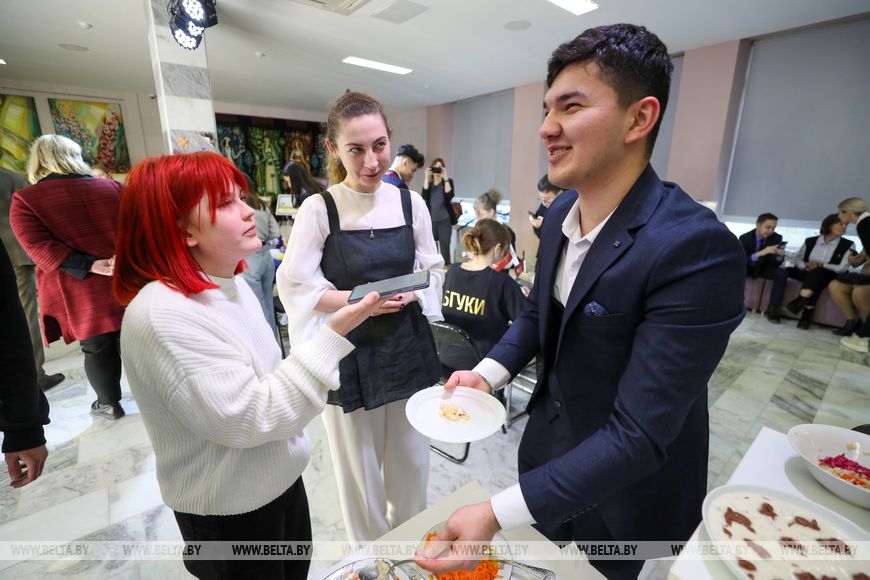 Students from Turkmenistan also prepared a dessert - gatma halide (translated as "mixed"). This simple dish combines flour, cookies, waffles, and chocolate, and externally resembles a milk pudding with pieces of waffle inside.Origami, JapanNatsumi Horiuchi introduced the art of origami. The girl speaks Russian well and suggested how to turn a corner of paper, make a proper fold, and correctly choose the shade of paper. The peculiarity of origami is that almost no additional tools are needed for any figure. Only for making a ball will you need tape. We were offered two options: a classic crane and a helmet. We chose the latter and got started.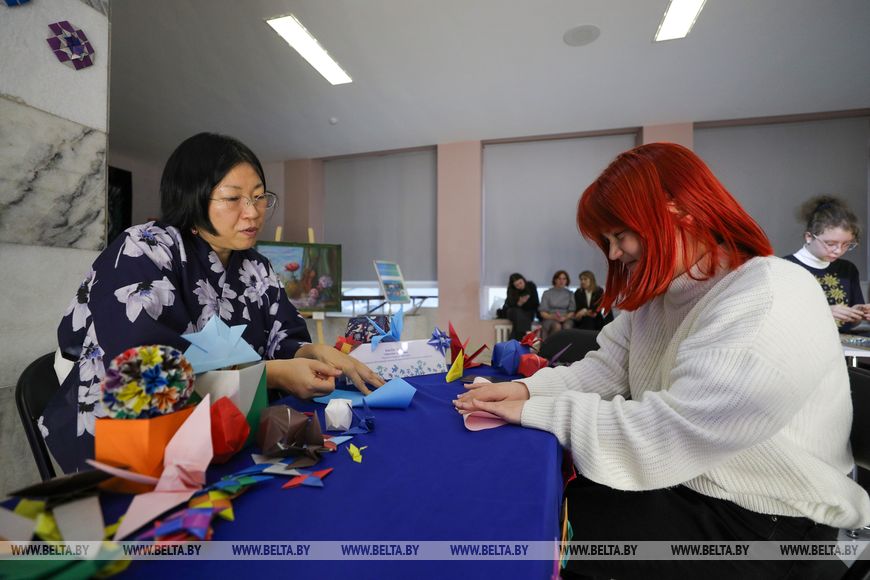
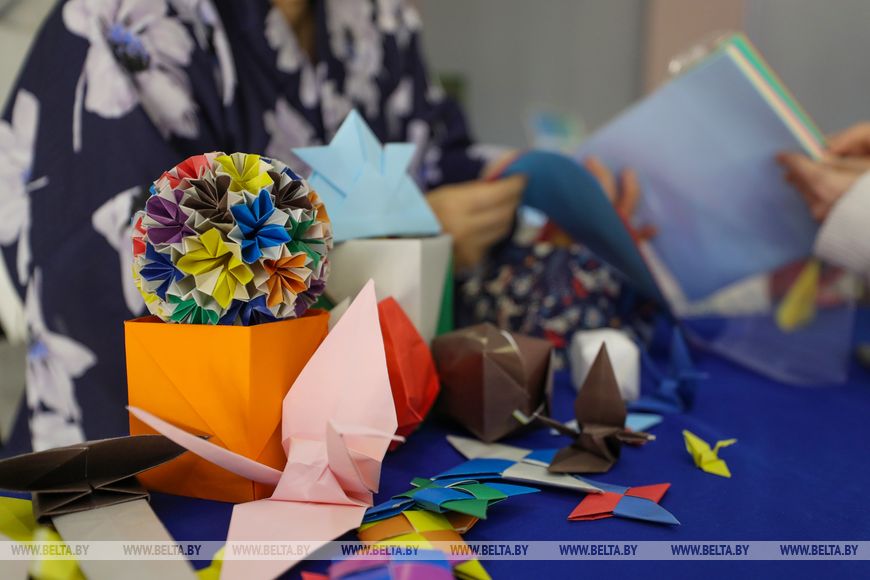
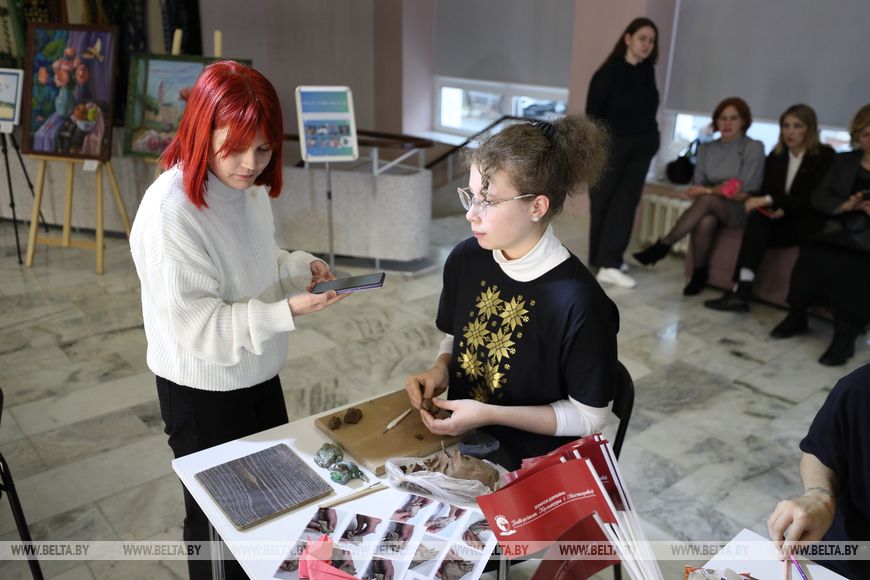
During the learning process, you mentally transport yourself back to elementary school when you do something like this for the first time. As you get older, the figurines you make become more refined, you don't feel like rushing at all, and the process is very relaxing. Home Our BSUCI students also prepared a series of master classes for foreign students. Together, they made special clay cubes and painted them with special paint. As soon as they were combined, small details formed a mosaic. A student from Central Asia drew a cornflower along with the Belarusians. Karina Matvienko from the Department of Decorative and Applied Arts conducted a master class in ceramic sculpting. "I considered ceramics to be a craft suitable for the soul. Now anyone can watch the process and join in. The secret to a beautiful item is love for one's craft," the young woman noted.